Thinking About Buying in the GTA? 6 Mortgage Financing Questions to Answer Before You Shop
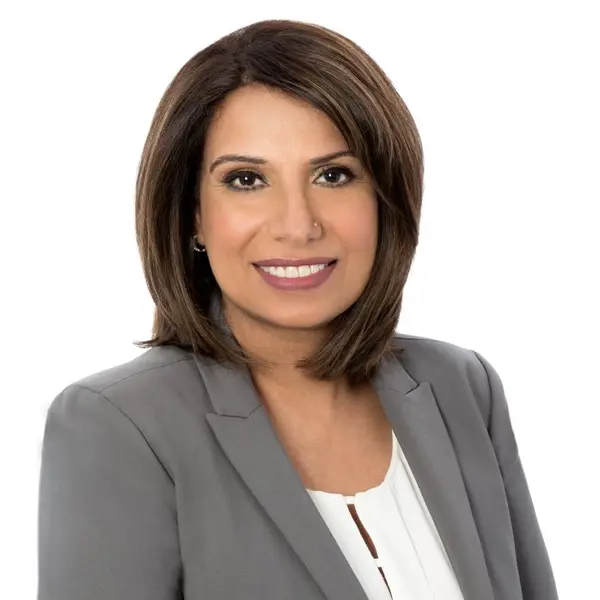
By Rani Roddey, REALTOR®, LPT Realty (Getty Group), serving Toronto and the GTA
Most buyers start their search with listings. The buyers who have the smoothest experience start with financing. Knowing what you can borrow, what you'll need in cash on closing day, and how lenders will test your budget means you can make a confident offer when the right home comes along, instead of scrambling after the fact.
Rates are also back in the headlines. On October 28, 2026, the Bank of Canada raised its target for the overnight rate by 25 basis points to 2.5%, its first increase since July 2023, and said further increases could be needed (source: Bank of Canada, October 28, 2026 interest rate announcement). That makes it a good moment to get your financing questions sorted early.
Here are six questions every Toronto and GTA buyer should be able to answer before booking showings.
1. How much do I actually need for a down payment?
In Canada, the minimum down payment depends on the purchase price (source: Financial Consumer Agency of Canada):
- 5% on a home priced at $500,000 or less
- 5% of the first $500,000, plus 10% of the portion above $500,000, for homes up to $1.5 million
- 20% for homes priced at $1.5 million or more
If you put down less than 20%, you'll typically need mortgage default insurance. The premium is usually added to your mortgage, but plan for it in your monthly budget. Your lender may also ask for more than the minimum if you're self-employed or rebuilding your credit.
2. Will I pass the mortgage stress test?
Getting approved isn't just about the rate you're offered. For uninsured mortgages, federally regulated lenders must qualify you at the greater of your contract rate plus 2% or 5.25% (source: Office of the Superintendent of Financial Institutions, OSFI). Insured mortgages are stress-tested under federal rules as well.
In plain English: the bank wants to see that you could still handle your payments if rates were higher. That's why your pre-approval amount is often lower than what an online calculator suggests. A good mortgage professional can show you how your income, debts and down payment work together under the test.
3. What is "cash to close," and how much should I set aside?
Your down payment is only part of what you'll need on closing day. In Ontario, cash to close usually also covers:
- Land transfer tax (more on this below)
- Legal fees and title insurance
- Adjustments for property taxes, utilities or condo fees the seller has prepaid
- Home inspection and appraisal costs
- Moving costs and any immediate repairs
Your lawyer will send a statement of adjustments before closing, but you don't want to see these numbers for the first time that week. Build a cushion into your savings so closing day is a celebration, not a stress test of its own.
4. How much land transfer tax will I pay in Toronto?
Every buyer in Ontario pays the provincial land transfer tax. If you buy in the City of Toronto, you also pay the municipal land transfer tax, so it's charged twice. Toronto also introduced new graduated municipal rates for high-value residential properties, effective April 1, 2026 (source: City of Toronto).
First-time buyers get some relief:
- Ontario offers a first-time buyer refund of up to $4,000 (source: ontario.ca)
- Toronto offers a first-time purchaser rebate of up to $4,475 (source: City of Toronto)
Both programs have strict rules. You must be at least 18, a Canadian citizen or permanent resident, move in within nine months, and neither you nor your spouse (while married to you) can have owned a home anywhere in the world. If you're buying in Mississauga, Vaughan, Markham or elsewhere in the GTA, only the provincial tax applies.
5. Should I choose a 25- or 30-year amortization?
If your down payment is under 20%, the maximum amortization is generally 25 years, but first-time buyers and buyers of newly built homes may qualify for 30 years (source: Financial Consumer Agency of Canada). A longer amortization lowers your monthly payment, but you'll pay more interest over the life of the mortgage. It's worth running both scenarios with your lender before you decide.
6. Fixed or variable, and how long a term?
With the Bank of Canada now raising rates, many buyers are weighing the predictability of a fixed rate against the flexibility of a variable one. There's no single right answer. It depends on your budget, how long you plan to stay and how comfortable you are with your payment changing. Ask your lender or mortgage broker to walk you through prepayment privileges and penalties too, since those matter if your plans change.
Bottom line
Mortgage financing sets the boundaries for your whole home search. Get pre-approved, understand the stress test, and map out your cash to close and land transfer tax before you fall in love with a property. You'll shop with more confidence and negotiate from a stronger position.
I'm always happy to connect you with trusted mortgage professionals and help you plan your purchase from first showing to closing day. Call or text me at 647-886-8416 or email raniroddey@gmail.com.
Featured image: AI-generated illustration.
Rani Roddey, REALTOR® | LPT Realty (Getty Group) | Toronto and the GTA. This article is general information, not financial or legal advice. Please speak with a licensed mortgage professional and real estate lawyer about your situation.